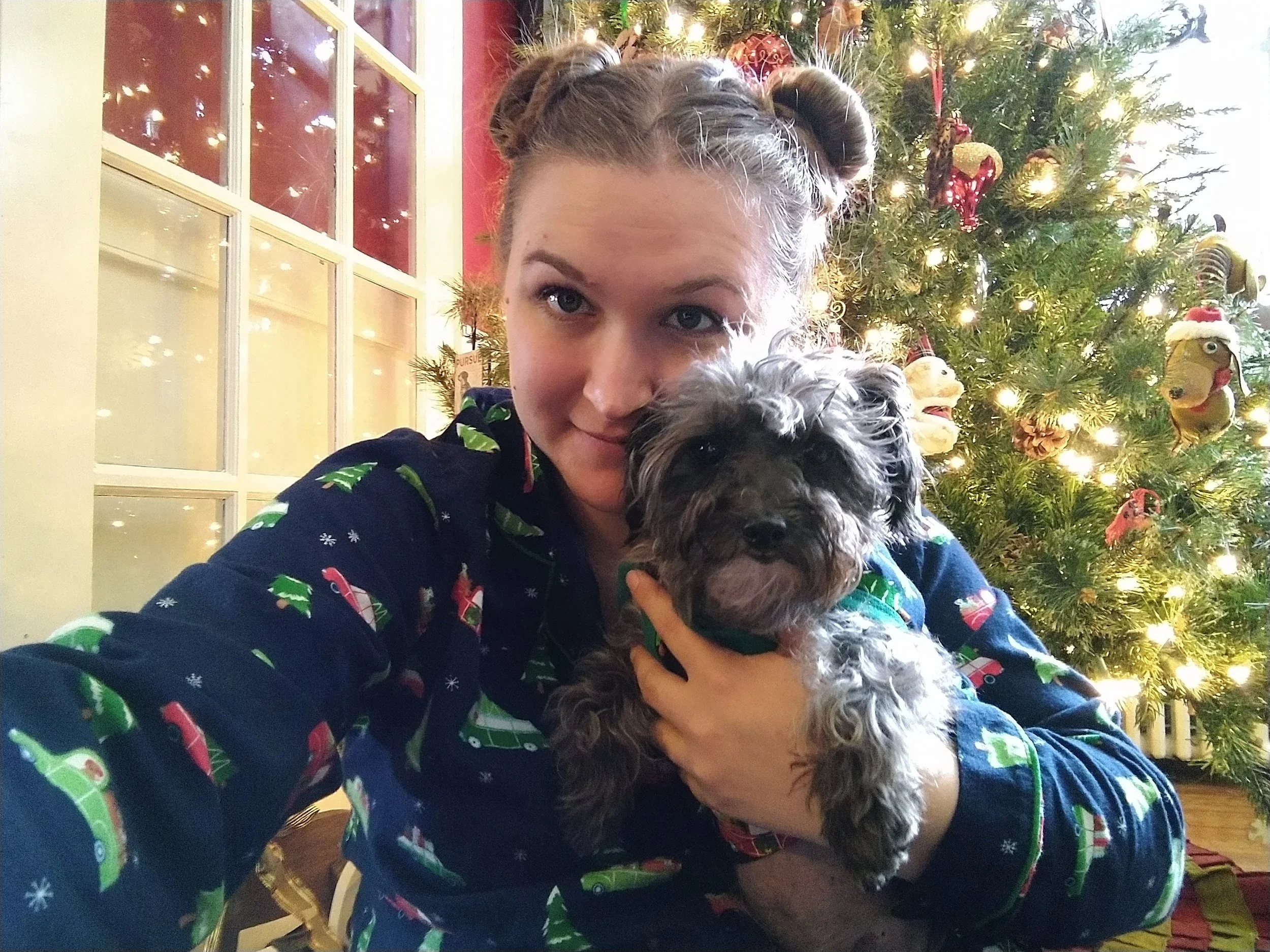

Living With Canine Epilepsy: What Dexter Taught Me
When Dexter had his first seizure, I thought he was choking.

Dexter dressed for my wedding
He was chewing on a treat when it happened, and the chew was still stuck in his mouth. We panicked, we checked his airway, we did everything you do when a dog is choking. It wasn't until he had a second seizure a few months later that we put the pieces together and realized what had actually happened the first time.
That moment of recognition — that terrifying clarity — is something a lot of pet owners know all too well.
Dexter was my Yorkipoo, and he came into my life in 2010 as I was finishing my Master's degree. Within his first year with me, we navigated a wedding, a move from a small town in the Appalachian Mountains to the Richmond, and a whole lot of change. He was barely just a year old and already a seasoned pro at adapting, which, looking back, feels fitting. Because Dexter would spend the next 13 years proving just how resilient a dog can be.
He had his first seizure not long after we settled in Richmond. He was diagnosed with epilepsy shortly after. And he lived a full, joyful, genuinely wonderful life until he was almost 14 years old.
This is his story. And I hope it helps someone who is sitting where I once sat — scared, confused, and not sure what comes next.
What Is Canine Epilepsy?
Epilepsy is a neurological disorder that causes recurring seizures. In dogs, it is one of the most common neurological conditions, and it can affect any breed, size, or age.
Seizures happen when there is a sudden surge of electrical activity in the brain. They can look very different from dog to dog. Some dogs experience the dramatic, full-body convulsions most people picture. Others may have more subtle episodes — staring blankly, twitching in one leg, or brief moments of confusion. This variation is part of what makes epilepsy so easy to miss at first, as Dexter's first episode taught us. We later learned that for Dexter, seizures were tightening of his muscles causing his body to contort and making him look possessed.
There are several types of canine epilepsy, but the most common is idiopathic epilepsy, which means there is no identifiable underlying cause. It is believed to have a genetic component and typically appears in dogs between one and five years of age. Dexter was diagnosed with idiopathic epilepsy after bloodwork ruled out other possible causes like liver disease, low blood sugar, toxin exposure, or a brain tumor.
Common signs of a seizure in dogs include:
Collapsing or falling to one side
Muscle twitching, rigidity, or paddling of the legs
Loss of consciousness
Drooling, foaming at the mouth, or chomping
Temporary blindness or disorientation after the seizure (called the postictal phase)
Loss of bladder or bowel control
Seizures are generally categorized as isolated (a single episode), cluster (two or more seizures within 24 hours), or status epilepticus (a seizure lasting more than five minutes, which is a medical emergency).
Getting a Diagnosis
After Dexter's second seizure, we knew something was wrong. Our vet ran a full panel of bloodwork to check for underlying conditions that can cause seizure activity. When everything came back normal, idiopathic epilepsy was the diagnosis.

I also started keeping a seizure journal. I tracked the date and time of each episode, what Dexter had eaten beforehand, whether I had recently applied flea and tick prevention, what the weather was like, and anything else that seemed potentially relevant. We were hoping to find a pattern or a trigger we could eliminate.
We never found one. That was both frustrating and, in a way, clarifying. There was no fix. There was only management.
If your dog has had a seizure, here is what your vet will likely want to know:
When the seizure happened and how long it lasted
What the seizure looked like
Whether your dog lost consciousness
How your dog behaved before and after
Any recent changes in food, medications, or environment
A seizure journal is one of the most useful tools you can give your veterinary team. Even if you never find a clear pattern, the data matters.
Treatment: It Is Not One-Size-Fits-All
When Dexter was first diagnosed, his seizures were infrequent and relatively mild. Because he was so young, our vet and I were both cautious about starting him on phenobarbital, which was the most commonly used anti-seizure medication at the time. Long-term use can put significant strain on a dog's liver and can impact their overall life expectancy. For a dog who had potentially 12 or more years ahead of him, that was a real concern.
We started him on potassium bromide, a gentler option that has been used in veterinary medicine for many years. He managed well on it for over a year.
Then came the night that changed things.
Dexter had cluster seizures. Back-to-back. We rushed him to the emergency vet, where he received diazepam twice to stop the seizure activity. It was one of the scariest nights of my life. And it was the moment we knew we needed to escalate his treatment.
We added zonisamide, a newer anti-seizure medication that works well in dogs and has a gentler side effect profile than phenobarbital. From that point on, Dexter was on both medications. He stayed on the same dosages for years. When he was around ten, he began having more breakthrough seizures and we increased his zonisamide dose slightly. That adjustment kept him stable for the rest of his life.

A few things worth knowing about epilepsy medications in dogs:
Most dogs require lifelong medication once treatment begins. Stopping abruptly can trigger dangerous rebound seizures.
Regular bloodwork is essential to make sure medication levels are in the therapeutic range and that organs are not being affected.
It can take time to find the right medication or combination. What works for one dog may not work for another.
Newer medications like zonisamide and levetiracetam (Keppra) are now more widely available than they were when Dexter was first diagnosed, which gives veterinarians more options.
The medications themselves were not particularly expensive. Managing Dexter's epilepsy over the years was, honestly, more manageable than I expected when we first got the diagnosis.
The Hard Parts Nobody Talks About
I want to be honest here, because I think honesty is more useful than a tidy, polished version of the story.
Dexter did not take medication in food. Not in cheese, not in pill pockets, not in hot dogs, not in anything. He would eat every single bite around the pill and leave it sitting there like a tiny accusation. Every single day, for years, I had to manually open his mouth and put the pill down his throat. The potassium bromide we got in liquid form, and I would squirt it into a little saucer of milk that he drank before bed. That became our ritual.
It was not glamorous. Some days it was genuinely exhausting. But it was also just... our life. You find a way.
The cluster seizure night was the hardest. Watching your dog seize repeatedly, feeling helpless, driving to an emergency vet at midnight — that is a kind of fear that is hard to describe. But we got through it. And Dexter got through it.
I also want to say this clearly: there is no shame in being scared. Epilepsy is a serious diagnosis. It is okay to grieve the version of dog ownership you imagined and to take time to adjust to a new normal. What matters is that you keep pushing on and adapt for your dog.
The Good Parts, Which Were Most of It
Dexter was not defined by his epilepsy. Not for a single day.
He traveled with us, moved with us, and adapted to every change life threw at us — job changes, new homes, a second dog joining the family, me working night shifts for a stretch. He had knee surgery at one point. And during his life he went to three different vets.
He was active, happy, and fully himself. He did everything a dog his size could want to do.


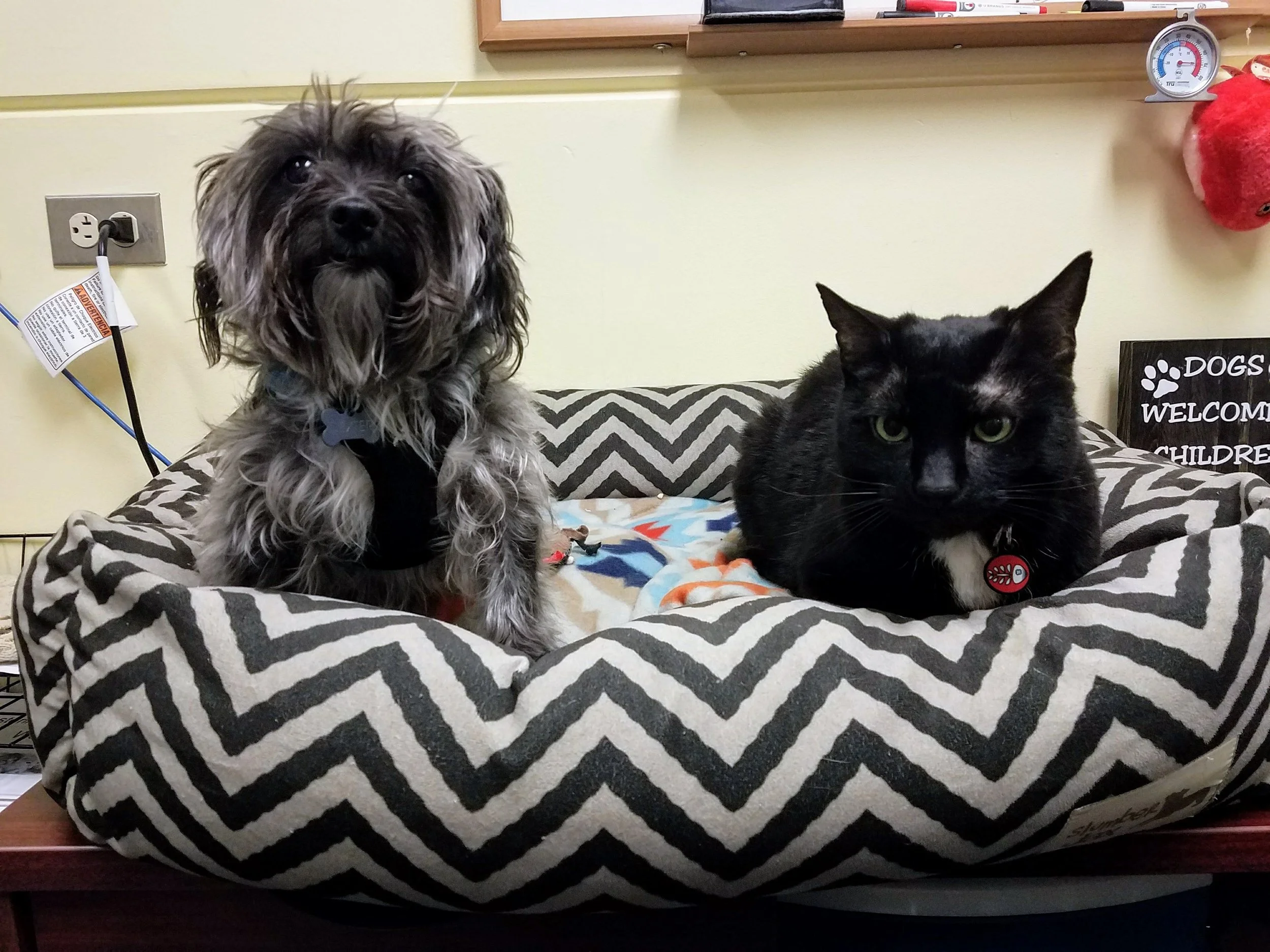

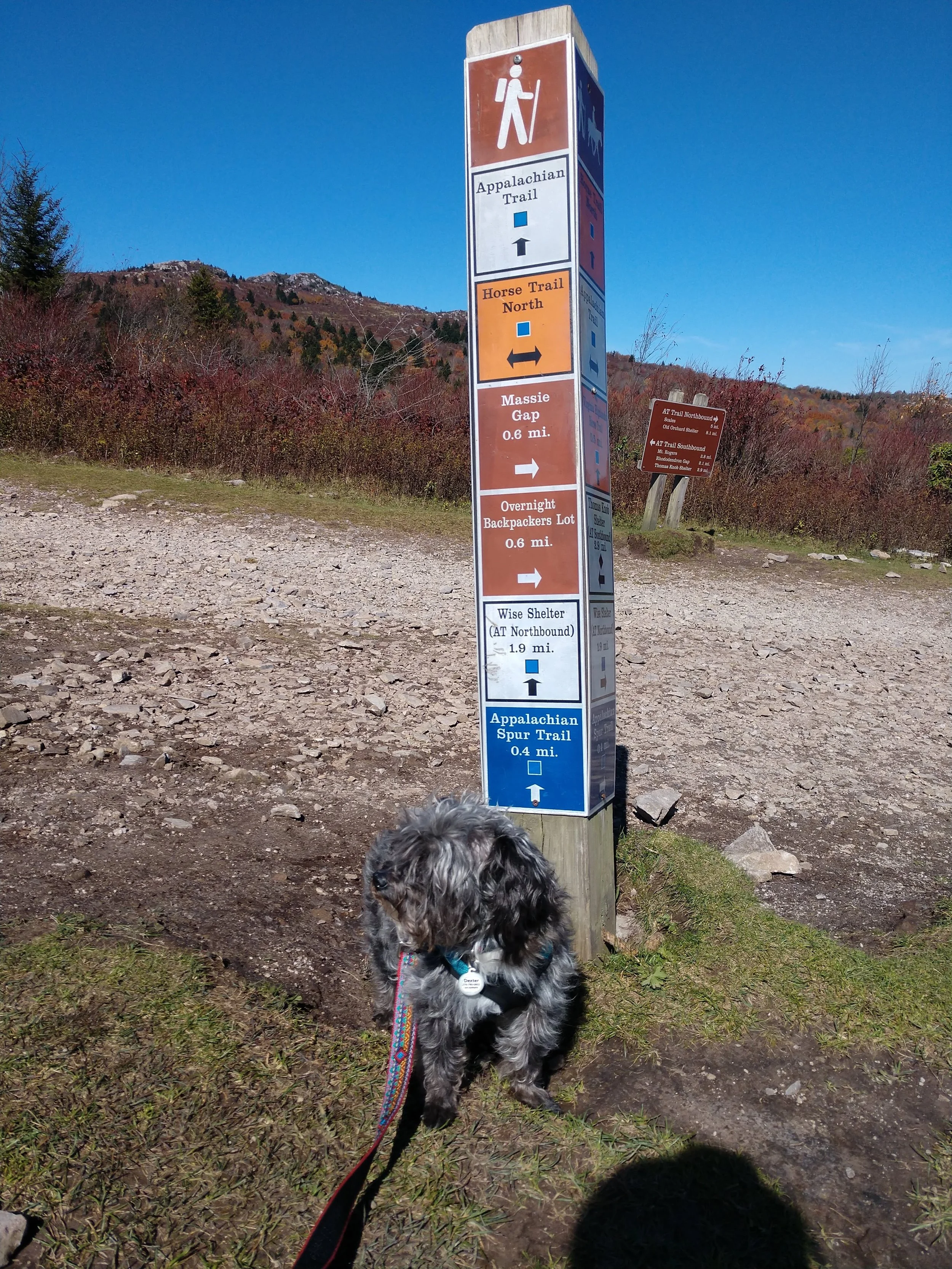
In his later years, Dexter developed congestive heart failure, hypertension, and hypothyroidism. He lost his sight a few months before he passed. He was almost 14 years old. And right up until the end, he was Dexter.
That is the thing I most want people to hear: an epilepsy diagnosis is not a death sentence, and it is not a life sentence either. It is a condition that requires attention, consistency, and a good relationship with your vet. But it is absolutely compatible with a long, full, happy life. Dexter had that, and I had that with him.
What To Do If Your Dog Has a Seizure
During a seizure:
Stay calm. Your dog cannot swallow their tongue, so do not put your hands in their mouth.
Keep them away from stairs, furniture edges, or anything they could fall against.
Time the seizure. If it lasts more than five minutes, go to an emergency vet immediately.
Speak softly and stay nearby so they can find you when it is over.
If you are able, record the seizure to show to your vet.
After a seizure:
Your dog may be disoriented, wobbly, or temporarily blind. This is normal and usually passes within minutes to hours.
Note everything you can remember and add it to your seizure journal.
Contact your vet, especially if this is a first seizure or if the episode was longer or more intense than usual.
Go to an emergency vet immediately if:
The seizure lasts more than five minutes
Your dog has more than one seizure in 24 hours
Your dog does not return to normal within 30 minutes after the seizure ends
A Final Word From Someone Who Has Been There
If your dog was just diagnosed with epilepsy, I know how overwhelming this moment feels. I have been there. I cried. I googled things I probably should not have googled at 2 a.m. I worried about every meal, every flea treatment, every thunderstorm.
And then Dexter and I figured it out together. Day by day, pill by pill, saucer of milk by saucer of milk (and he was very particular about his milk saucer. I accidentally left it at my parents when we were visiting and they had to mail it back to me because he would not drink his milk out of any other vessel).
He gave me over 13 years. He was there for every major chapter of my adult life. He was stubborn and sweet and completely impossible about medication and absolutely worth every single second.
Epileptic dogs can live wonderful lives. I know because I watched one do it.