Why We Don’t Breed Label Our Dogs at RAL
If you’ve ever scrolled through our adoptable pets or stopped by the shelter, you might have noticed something a little different.
We don’t list breeds for our dogs.
And if you’ve ever wondered why, you’re definitely not alone.
It’s a question that comes up fairly often, especially online, so we wanted to take a moment to share a little more about why this matters and how it actually helps the dogs in our care.
The Truth About “Breed Guessing”
When a dog comes to RAL, we rarely know their full background. Most of the pets we welcome are transferred from animal control shelters and rescue partners across Virginia. That means we usually don’t have breed records, DNA tests, or any reliable way to know what mix of breeds they might be.
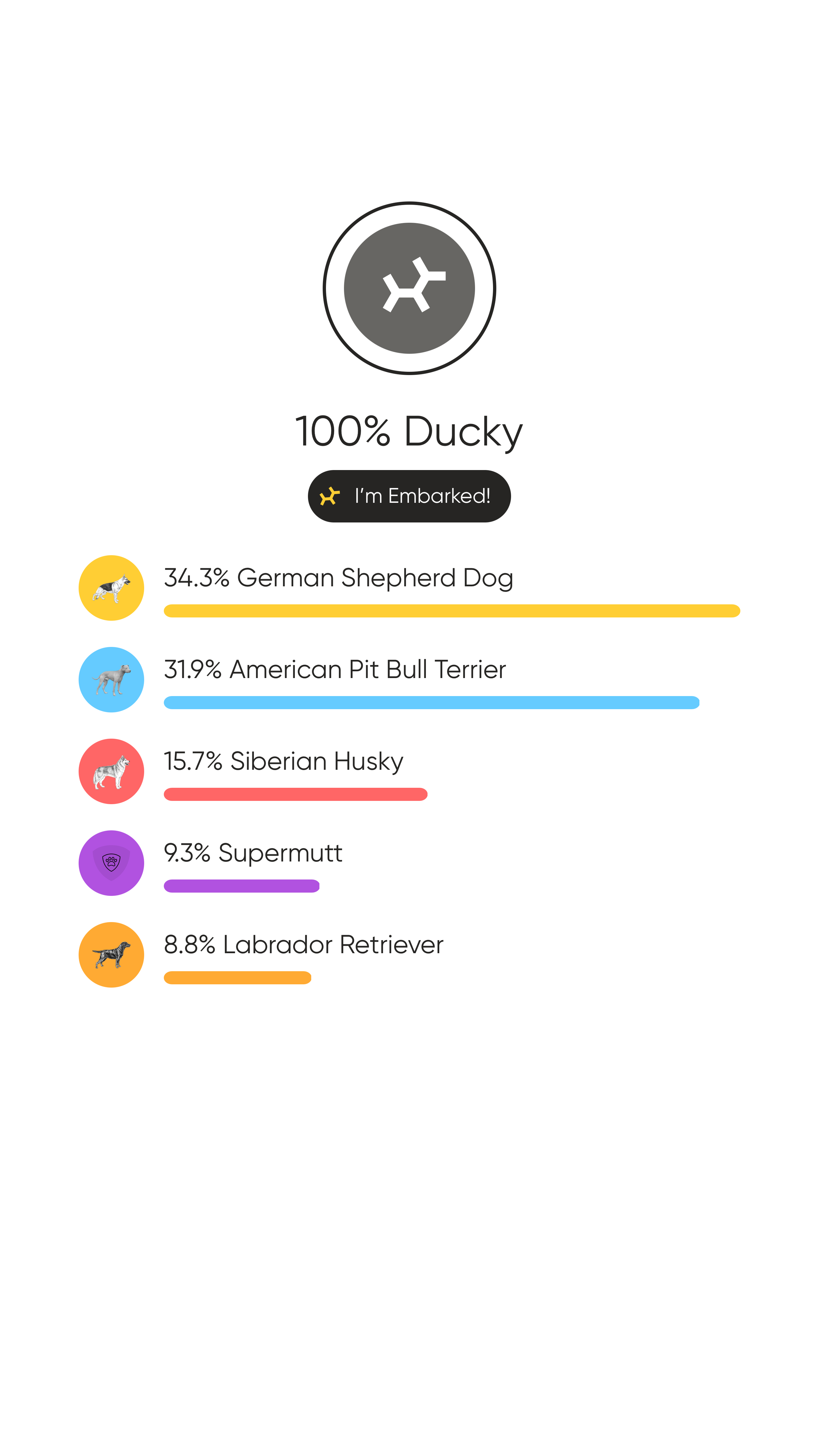
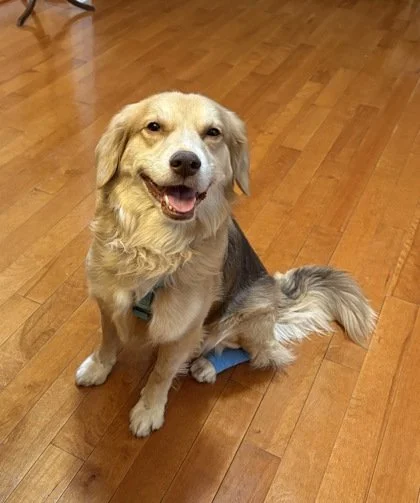
What we do have is a visual impression. And while it’s human nature to look at a dog and think, “That looks like a Lab mix” or “That must be part Shepherd,” those guesses are often inaccurate.
In fact, studies have shown that even experienced professionals frequently misidentify dog breeds based on appearance alone.
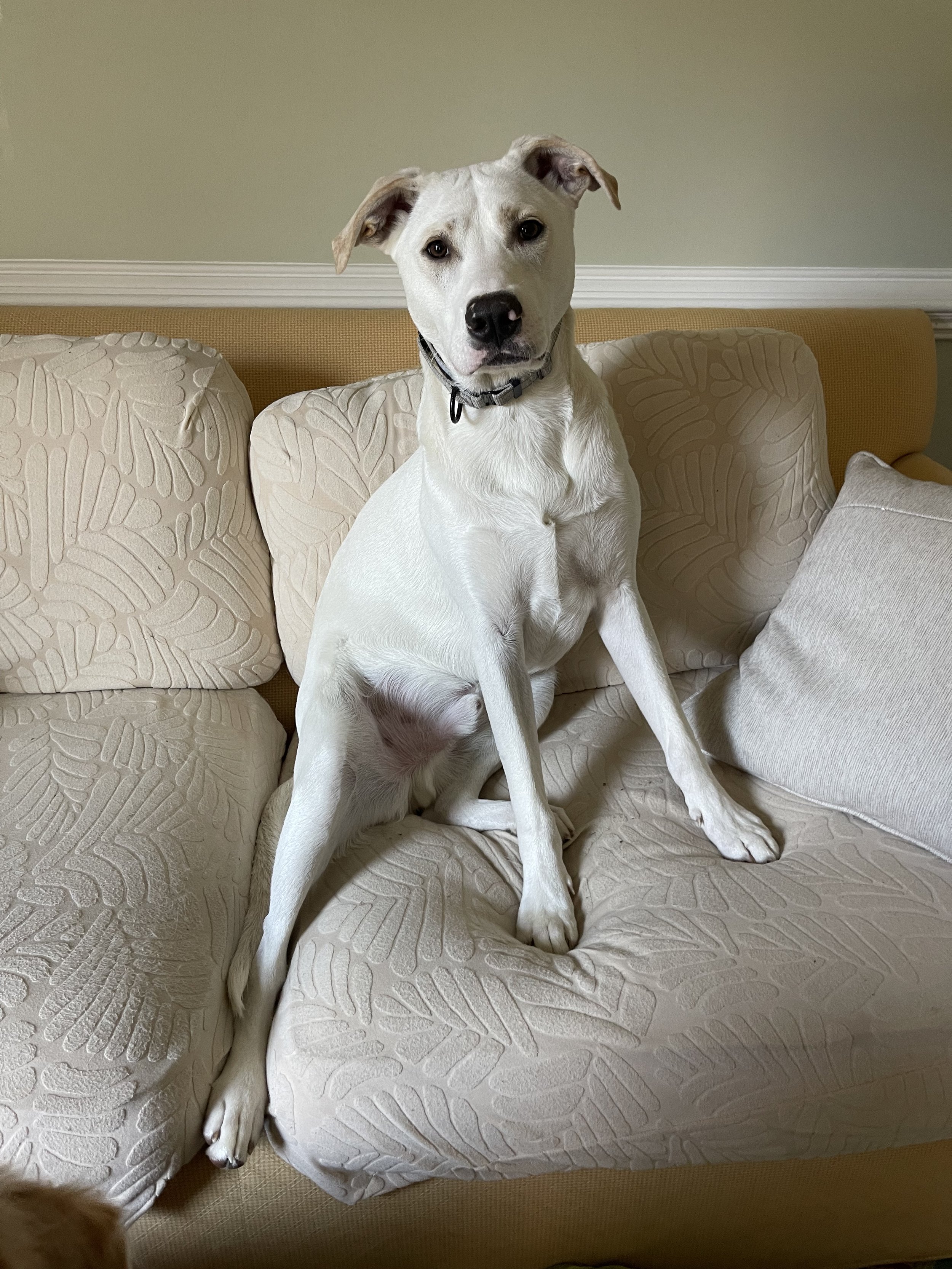
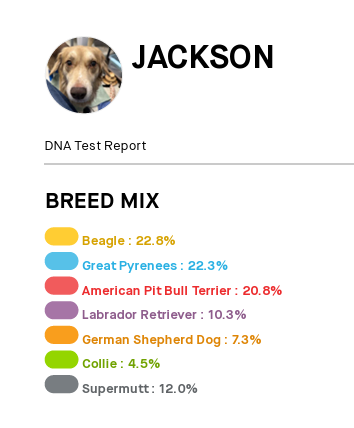
Two dogs can look very similar and have completely different genetic makeups. And one dog can have a mix of breeds that you would never expect just by looking at them.
Why It Matters More Than You Think
Breed labels might seem harmless, but they can have a big impact on how dogs are perceived and adopted.
Certain breeds come with strong assumptions. Some people may overlook a dog because of a label they’ve heard something about, while others may choose a dog because of a label that doesn’t actually reflect the dog’s personality.
When those expectations don’t match reality, it can lead to frustration for adopters and, in some cases, returns.
By removing breed labels, we help keep the focus where it belongs: on the individual dog.
Every Dog Is an Individual
At RAL, we get to know our dogs as who they are, not what we think they might be.
We learn about their personality, their energy level, how they interact with people, how they do with other pets, and what kind of home will help them thrive.
Are they a couch companion or an adventure buddy?
Do they love making new friends or prefer a quieter circle?
Are they working on training skills or already have a few tricks up their sleeve?
These are the details that truly matter when finding the right match.
What If You’re Curious About Breed?
We get it. Breed curiosity is totally normal.
If you adopt a dog and want to learn more about their genetic background, DNA testing is always an option. It can be a fun way to explore your dog’s unique mix.
But when it comes to choosing a pet, we encourage you to focus less on labels and more on connection.
Spend time with the dog. Ask questions. Talk with our team about what you’re looking for in a companion.
You might just find that your perfect match isn’t what you expected on paper.
Our Goal: Better Matches, Better Outcomes
Everything we do at RAL is centered around helping pets and people find the right fit.
Choosing not to breed label is one small but important way we can reduce bias, set realistic expectations, and support lasting, successful adoptions.
Because at the end of the day, it’s not about what a dog is called.
It’s about who they are.
